
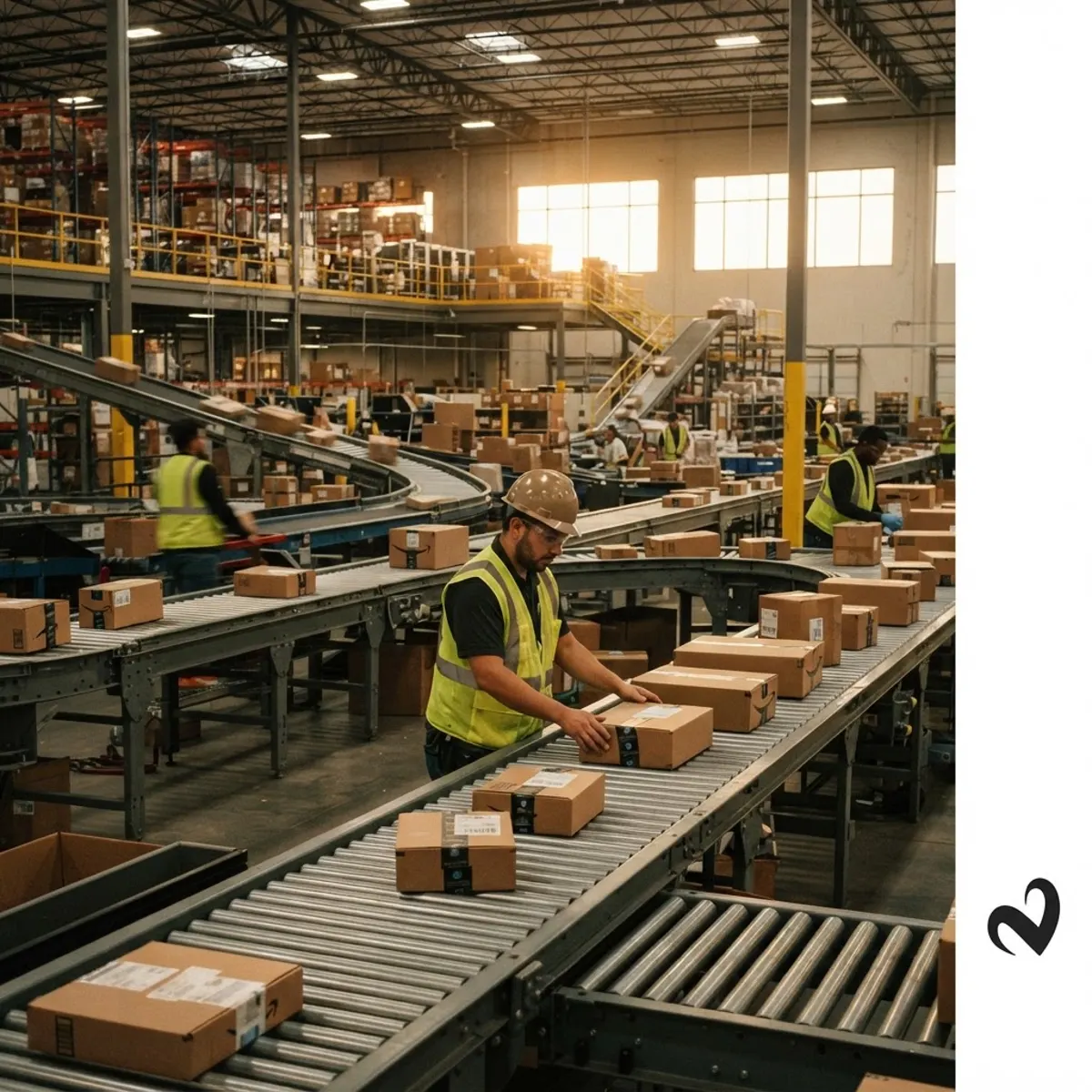
$174.2 billion. That's the staggering price tag attached to global commerce media spending by 2025. During my years advising brands on e-commerce strategy, I watched the retail media gold rush go from a scrappy, Amazon-centric side project to the third pillar of digital advertising. Now, sitting on the other side of the desk as a reporter, the tune has shifted. The push is over; the integration headache has begun.
Our analysis suggests that the standardization gap is no longer a downstream operational nuisance, it's actively suppressing addressable budget. AdWire estimates that U.S. brands are leaving roughly 12–15% of retail media ROI on the table due to reconciliation inefficiencies alone, a drag that compounds sharply once a brand operates across more than eight retail media networks simultaneously. At current growth trajectories, that translates to over $20 billion in value destruction by 2026 if the industry fails to coalesce around common measurement frameworks.
Having sat through three separate vendor pitches last month, I've seen the same scene play out: a Retail Media Network lead promising "exclusive access" to high-intent audiences while failing to provide a common API for cross-channel reporting. It's a mess. While the sheer scale of the $174.2 billion market projected by WPP is undeniable, the operational friction is quietly eating into margins. Advertisers are flush with cash but starved for coherence.
The math behind the current chaos is simple: 53% of industry participants cite a lack of standardization as their primary barrier to entry. When more than half of the market agrees on a singular pain point, you don't have a growth problem, you have a structural bottleneck. Europe saw a 22.2% growth spurt in 2024, but that expansion came with a heavy tax of fragmented networks, identified by 51% of buyers as a top hurdle.
"The retail media conversation has moved past 'should we invest' and landed squarely on 'how do we govern.' Every brand I work with is drowning in closed-loop reports that tell completely different stories about the same consumer. Until networks agree on a baseline attribution methodology, even an imperfect one, CFOs are going to start treating retail media as a line item to audit, not a channel to scale." said Mara Ellison, VP of Commerce Media Strategy at Convergent Growth Partners
Consider what that means for a mid-sized CPG firm. They're managing fragmented interfaces across a dozen different retailers, each with unique creative specs and closed-loop reporting that refuses to talk to the others. It's an expensive game of telephone. When I talk to media buyers, they aren't complaining about the cost of media; they're complaining about the cost of talent hours spent reconciling spreadsheets that should be automated.
This isn't just a technical glitch. It's a threat to the 17.8% year-over-year growth predicted for US retail media by 2026. Without common measurement standards, that growth curve will eventually flatten because brands will hit a wall on how much they can reasonably manage without burning through their ROAS on administrative bloat.
Dominance isn't a strong enough word for Amazon. They hold 76.2% of the US retail media landscape, and they know it. When you own three-quarters of the sandbox, you dictate the rules of the game. That's why 40% of budgets remain locked into Sponsored Products; it's the path of least resistance. It's the high-traffic, high-conversion environment where the plumbing actually works.
But look at the shift in where that spend is traveling. Buyers are becoming savvy, or perhaps just desperate for inventory that isn't overpriced. IAB Europe data shows that 46% of buyers shifted more than 41% of their digital spend into off-site retail media during 2025. That's a massive migration. It suggests that brands are no longer content to just bid on keywords inside a retailer's site. They want to use that precious first-party data to track consumers across the open web.
It's an aggressive play for reach. By moving off-site, brands are trying to escape the walled gardens, but they're dragging the same standardization issues with them. Forrester's anticipation that the market will reach $85 billion by 2026 sounds like a conservative estimate if these off-site networks can actually figure out how to harmonize their data streams. If they can't, we're going to see a cooling effect.
The most jarring implication isn't the total volume of dollars, but the disparity in how those dollars work. Right now, a brand pays a premium for a retail media placement, but they often lack the tools to understand if that conversion was truly incremental or just cannibalizing their organic search. We've built a $174 billion machine that is remarkably opaque. The winners in the next three years won't be the retailers with the most traffic; they will be the ones who provide the most legible, standardized data to the people writing the checks. If the networks keep prioritizing proprietary silos, the brands will eventually stop asking for more and start asking for their money back.
- For Brands and Advertisers: Cross-network budget management is fast becoming a core competency, not an IT problem. CPG firms operating across more than six RMNs should be pressure-testing whether their current martech stack can consolidate attribution data, or budgeting for the headcount to do it manually.
- For DSPs: The off-site retail media surge represents a direct revenue opportunity, but only for platforms that can ingest first-party retailer data cleanly and activate it across programmatic channels without introducing additional reporting gaps. The DSPs that build standardized retail data connectors now will own the off-site budgets by 2027.
- For Publishers: Off-site retail media spend migrating through programmatic pipes means publishers with verified, high-intent audience segments are suddenly more attractive. The catch: those publishers need to speak the same measurement language as the RMNs, or the spend will route around them entirely.
- For SSPs: Fragmentation is both the threat and the opening. SSPs positioned as neutral aggregation layers, capable of normalizing RMN data across networks, have a genuine chance to become the connective tissue the industry is desperately missing. That's a real infrastructure play, not a feature update.
The next 18 months will likely produce a shakeout among mid-tier retail media networks that can't demonstrate clean, auditable measurement to media buyers operating under tightening budget scrutiny. Expect consolidation, likely two or three major retail media alliances forming around shared data standards, rather than the endless proliferation of standalone network dashboards the market has tolerated until now. The networks that survive won't necessarily be the largest; they'll be the ones that made themselves legible first.


