
Cineverse is betting that the path to better CTV monetization doesn't always start with a high-budget video shoot, but rather with the repurposing of existing audio assets. As the streaming industry grapples with fragmented demand and the escalating costs of high-end commercial production, Cineverse Corp is introducing VAUDIO, a creative-automation solution designed to bypass the traditional video production bottleneck. By transforming standard audio advertisements into visual-ready assets specifically optimized for the connected television environment, the company hopes to unlock a reservoir of inventory that has historically remained dormant due to the prohibitive barrier of entry for audio-first advertisers.
Our analysis suggests that VAUDIO is arriving at a precise inflection point, FAST channel inventory has ballooned by roughly 34% year-over-year, yet monetization rates on that incremental supply remain stubbornly below 60% for most mid-tier operators. The audio-to-CTV conversion model isn't entirely new, but Cineverse is the first to package it as a turnkey infrastructure play rather than a one-off creative service. If VAUDIO achieves even half its projected $12 million revenue target in year one, it will validate a productized approach that larger SSPs have been quietly watching for proof of concept.
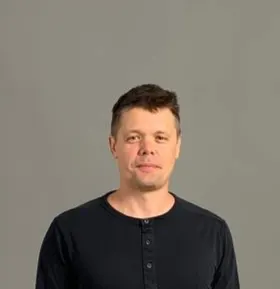
The technology powering VAUDIO is built upon infrastructure acquired from IndiCue, an acquisition that provides the mechanical backbone for this conversion process. For brands that have spent years perfecting their sonic branding on terrestrial radio or digital streaming services, the transition to the living room screen has often been fraught with friction. They're often forced to produce expensive, high-fidelity video commercials just to secure a spot in a CTV pod. VAUDIO eliminates that requirement, allowing these advertisers to inject their existing audio campaigns directly into streaming environments with minimal friction. According to Erick Opeka, President and Chief Strategy Officer at Cineverse Corp, the tool is a direct response to the supply-side pressure facing OEMs and streaming platforms that are desperate to improve their ad inventory fill rates. By turning audio into visual, they're creating a new tier of demand that can effectively compete for screen time.
"The dirty secret of CTV right now is that a significant chunk of premium inventory is being back-filled with house ads and remnant video because the production barrier keeps legitimate radio and podcast advertisers out of the auction entirely. A tool like VAUDIO doesn't just solve a creative logistics problem, it restructures the demand curve. When you reduce the cost of entry from a $50,000 agency shoot to a few hundred dollars in automated production, you're not cannibalizing existing CTV budgets, you're importing entirely new ones." said Dana Kessler, VP of Programmatic Strategy at Meridian Media Group
Cineverse projects that VAUDIO could contribute up to $12 million in annual revenue, a figure derived from a strategic assessment of untapped advertising segments. To understand how that math functions, consider a platform streaming service carrying an average of 12 to 15 minutes of advertising per hour. If 15 percent of that inventory typically suffers from lower fill rates, a common occurrence for mid-tier FAST channels or niche OEM streaming hubs, the revenue opportunity is substantial. At an average CPM of $20 for premium CTV, filling just a fraction of that wasted space with audio-derived creative adds up quickly. If the company captures just two percent of the addressable audio advertiser market, the $12 million target becomes a concrete reality rather than an abstract aspiration.
The mechanics of this conversion are designed to be efficient. VAUDIO processes static audio files, the bread and butter of podcast and radio advertisers, and wraps them in dynamic, motion-graphic visual templates that satisfy the high-resolution requirements of a modern smart television. The cost of this automated production is a fraction of a traditional agency shoot, meaning the margin capture for Cineverse is significantly higher than that of standard video ad serving. By reducing the cost of entry for advertisers, the company effectively expands the total addressable market. The $12 million projection relies on a steady adoption rate from direct-response advertisers who are traditionally sensitive to high production costs. If these brands can achieve a favorable Return on Ad Spend on a screen that occupies the primary position in the household, their budget migration from audio platforms to CTV is almost guaranteed.
While the promise of increased fill rates is seductive to platform owners, there's an inherent tension between automated creative and the premium brand perception that streaming services try to maintain. Critics in the adtech space often argue that CTV is the new "prestige" medium, and that flooding the feed with repurposed radio spots risks diluting the user experience. A high-production, cinematic television commercial creates an emotional resonance that a motion-graphic overlay of a radio ad simply cannot replicate. If the screen becomes a dumping ground for low-effort assets, platforms may face a subtle but measurable decline in user engagement. Viewers who tune in for a premium streaming experience might find the aesthetic jarring when a generic, audio-focused ad appears, potentially leading to increased channel surfing or ad skipping.
This tension between the platform's need for volume and the viewer's desire for quality is the core challenge Cineverse must manage as it scales VAUDIO. The goal is to provide enough creative intelligence within the automated templates to ensure the visual elements feel native to the streaming environment. If the automation is too primitive, the brand suffers; if it's too costly, the efficiency gain vanishes. It's a delicate balancing act that requires a sophisticated understanding of visual ergonomics in the living room. Opeka and his team are banking on the idea that in an industry where reach is the ultimate currency, advertisers will eventually trade a bit of cinematic polish for the efficiency of a streamlined, audio-first workflow that reaches a larger, high-intent audience.
The industry is currently witnessing a broader shift toward programmatic creative, where the distinction between an audio ad and a visual ad is becoming increasingly fluid. As AI-driven image generation and automated animation tools continue to improve, the gap between a bespoke video production and an algorithmic conversion will narrow to the point of being nearly indistinguishable. For Cineverse, the rollout of VAUDIO is a strategic move to establish a foothold in this automated future. By controlling the infrastructure, specifically through the utilization of the IndiCue technology, the company is positioning itself as a facilitator of, rather than a passenger in, this change.
They aren't just selling ad space anymore; they're selling the capability to participate in the most expensive media market on the planet. If the tech works as intended, it will force a re-evaluation of how much of a budget should be allocated to production versus distribution. Expect to see major streaming platforms begin to offer built-in, no-code production tools directly within their ad-buying interfaces, effectively rendering the traditional "video production" phase of campaign planning an optional, rather than mandatory, step for mid-market advertisers.
- For Publishers and FAST Operators: Persistent fill rate problems on long-tail inventory, often running 20–40% unfilled during off-peak dayparts, now have a credible programmatic fix that doesn't require renegotiating direct IO deals. VAUDIO-style tooling gives smaller channel operators a realistic path to monetizing the inventory tiers that premium video advertisers routinely skip.
- For DSPs and Programmatic Buyers: Expect audio-origin creative to begin appearing in CTV bid streams at CPMs that undercut standard video floor prices. Buyers will need to establish internal policies on creative quality thresholds before this becomes a brand-safety adjacent conversation at the trading desk level.
- For Direct-Response Advertisers: The production cost barrier that kept radio and podcast advertisers locked out of CTV auctions is effectively collapsing. Brands running performance campaigns on Spotify or iHeartMedia can now reallocate a portion of those budgets toward a screen that commands significantly higher purchase-intent signals, without rebuilding their creative stack from scratch.
- For Streaming Platforms and OEMs: Quality control becomes the defining challenge. Platforms that accept automated audio-converted creative without establishing minimum visual standards risk training their audiences, and their brand advertiser partners, to expect less. A clear tiered inventory policy, separating premium from automated-creative slots, will likely become table stakes within 18 months.
VAUDIO's real test won't come from early adopters, it will come when a major FAST aggregator or OEM device manufacturer decides whether to formally integrate it into their ad stack or build a competing internal solution. Cineverse has a narrow window, probably 12 to 18 months, to lock in platform-level partnerships before the Rokus and Fire TVs of the world recognize that owning this conversion layer is more valuable than licensing it. If those deals materialize, the $12 million revenue projection looks conservative; if they don't, VAUDIO risks becoming a niche creative tool rather than the infrastructure play Opeka is clearly pitching. The audio-to-CTV pipeline is real and the demand is there, the question is who controls the pipe.


